
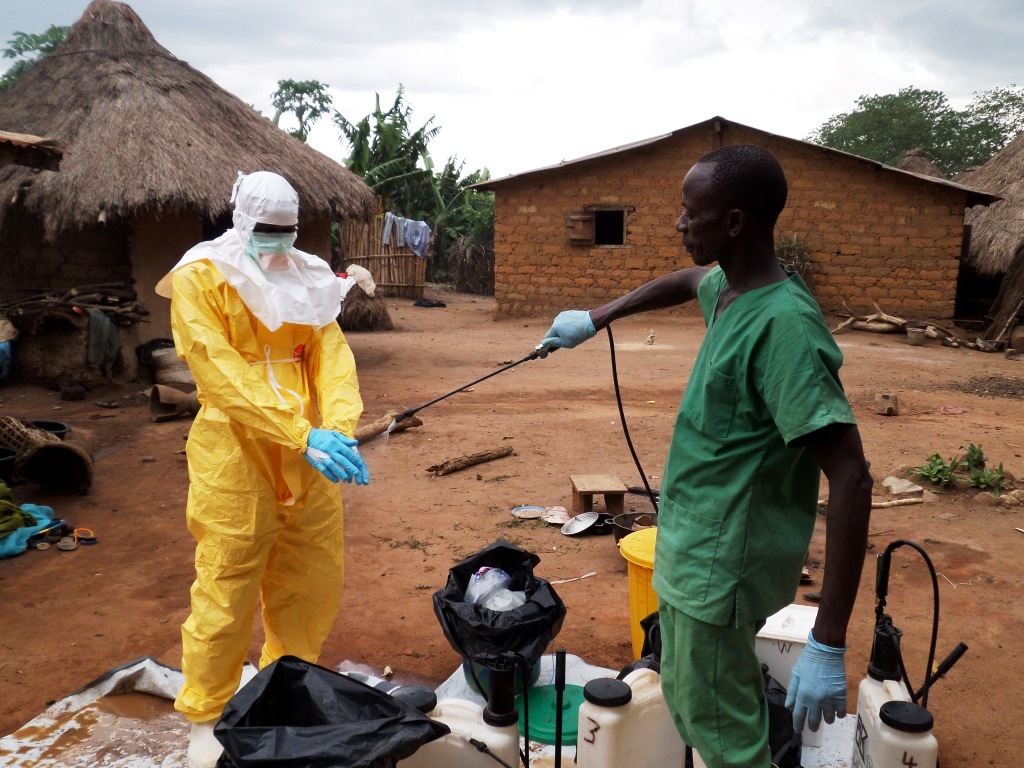
An ebola outbreak is spreading rapidly in Uganda and DRC. Responses to the outbreak have been slow and disjointed. This outbreak is classified as the 17th ebola outbreak in DRC. There are said to be 139 suspected deaths and 600 cases.
This initially started on May 5th; the WHO got an alert about a high death risk illness in Mongbwalu. Two health workers died within four days of each other.
The first confirmed patient became sick in April, when the disease was identified. He went to the hospital on April 24 with symptoms that could be familiar to any other illness.
Tests show that a strain called Bundibugyo is behind the outbreak. One American tested positive for the virus, and the U.S. is working hard to monitor and care for this person. This outbreak was slow to be identified, but they are now working hard to prevent spread. They have declared this outbreak as a public health emergency of international concern.
Countries have taken action to halt the disease. They have limited travel from the affected region, and they are also sending resources to help control it. It’s difficult to know exactly how many are sick, but 51 cases have been confirmed.
How much it spread is unknown. Six high-risk contact Americans are being moved to Europe. Five are being sent to Germany, and one to the Czech Republic.
Ebola can spread through direct contact with fluids from someone who is infected, such as their blood and vomit. It can spread through objects or surfaces that the person touched. It can also spread through your feces.
The first humans got infected with ebola after they were exposed to animals like fruit bats and monkeys, or eating minimally processed meat from animals.