
In the middle of May, researchers have taken notice that El Nino, a natural climate pattern, is approaching faster than expected this year. Although El Nino has not officially started, it’s expected because a report from the NOAA Climate Prediction Center stated that there will be neutral conditions through July while transitioning into El Nino.
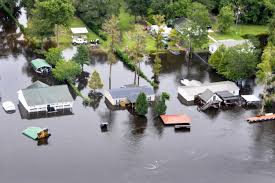
According to an update from NOAA’s Climate Prediction Center, “There is a 2 in 3 chance that El Nino peak strength will be strong or very strong.” This type of climate pattern is triggered when the tropical Pacific ocean is warm enough to shift the wind patterns throughout the climate, impacting weather conditions worldwide. In certain regions, there can be heatwaves and droughts, increasing the concerns of water supply and wildfire danger. On the other hand, some are flooded from rainfall. Furthermore, El Nino can cause a rise in global temperatures from human-induced climate change to increase even further.
Many forecasters are keeping track of a possible super El Nino, a strong and predicted warming of the central and eastern tropical Pacific ocean. Despite this, El Nino remains, at the very least, expected, and it could increase the possibility of a super El Nino. A super El Nino occurs when there is an extreme weakening within Pacific trade winds that leads into a chain reaction. It would grant a massive reservoir of warm western ocean water to surge eastward while increasing sea surface temperatures about two degree Celsius.
According to a monthly update from NOAA Climate Prediction Center on Thursday, “The average water temperature is just below the 0.5 degree threshold right now, but it’s now expected to climb above it by next month.” This demonstrates a significant shift from last month’s update, which showed favorable neutral conditions for either El Nino or La Nina, a climate pattern that is cooler than normal sea-surface temperature within the eastern and central Pacific ocean.
The Climate Prediction Center said, “There is still substantial uncertainty in the peak strength of El Nino.” El Nino is mostly likely to strengthen throughout this summer and fall with a possible chance that it might last through winter. On Monday, NOAA said, “It’s already very likely this year will be one of the five-warmest on record.”