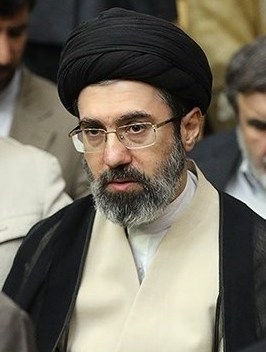
On March 17, 2026, Ayatollah Mojtaba Khamenei held his first foreign policy session since becoming the Supreme Leader of Iran. Mojtaba Khamenei is the second son of the late Supreme Leader, Ayatollah Ali Khamenei, and was appointed as Supreme Leader of Iran by the Tehran Assembly following his father’s death. At this foreign policy session, Mojtaba Khamenei rejected multiple proposals that were presented to Iran’s Foreign Ministry to ceasefire and reduce tensions with the United States.
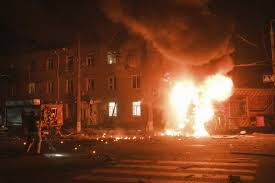
The United States-Israeli War on Iran just entered its third week. So far, over 2,000 deaths have been reported, and there is no end in sight, especially since Mojtaba Khamenei expressed that it was not “the right time for peace until the U.S. and Israel are brought to their knees, accept defeat, and pay compensation.”
The U.S.-Israeli attacks on Iran began on February 28, 2026. The goal was to target the Iranian military and the Islamic Republic’s Top Leadership. In the attacks on February 28th, Iran’s previous Supreme Leader, Ayatollah Ali Khamenei, was killed by an airstrike in Tehran. Another main reason for attacking Iran was their nuclear programs; President Donald Trump expressed that these nuclear weapons that Iran was developing could potentially be a threat to the United States.
This isn’t the first time the United States has had conflict with Iran. In 2018, during Donald Trump’s first term, the U.S. withdrew from the JCPOA argument that addressed Iran’s nuclear program. Then, the United States imposed new sanctions on Iran that told other European countries to also withdraw from the agreement. This led to the worst economic crisis that Iran had faced in over 40 years. The United States government also considers Iran to be the “foremost state sponsor of terrorism,” which explains why the U.S. has been trying to take down Iran’s government systems in their attacks.
The United States got involved in the war between Israel and Iran because the United States is a very close ally with Israel. When Israel attacked Iran, the U.S. jumped in to help and support their efforts.
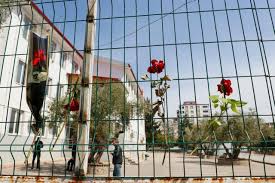
A recent U.S. strike on Iran hit an Iranian elementary school, consequently killing 175 students. Iran has retaliated against the United States by targeting U.S. military facilities and attacking energy sources and infrastructure in the Gulf States. Iran has also closed the Strait of Hormuz, the world’s most important maritime oil chokepoint that handles about 20% of global oil consumption and about 30% of global liquefied natural gas. This presents a problem because this causes energy prices to go up, leading to inflation in the United States.
Since the Supreme Leader has final say on all matters of state in Iran, there is no peace with Iran in the United States’ near future. However, no one has physically seen the newly appointed Supreme Leader after the attacks on the late Supreme Leader. It is rumored that he may be injured, which is sparking controversy and uncertainty around his well-being and recent decision making. Although President Trump has rejected attempts made by Middle Eastern countries to talk about ending all of the conflict, there has been a lot of recent talk about Trump creating a plan and a proposal to make peace with Iran. It is still unclear when the end of the U.S.-Israeli war on Iran and peace with all of the involved countries will occur.