
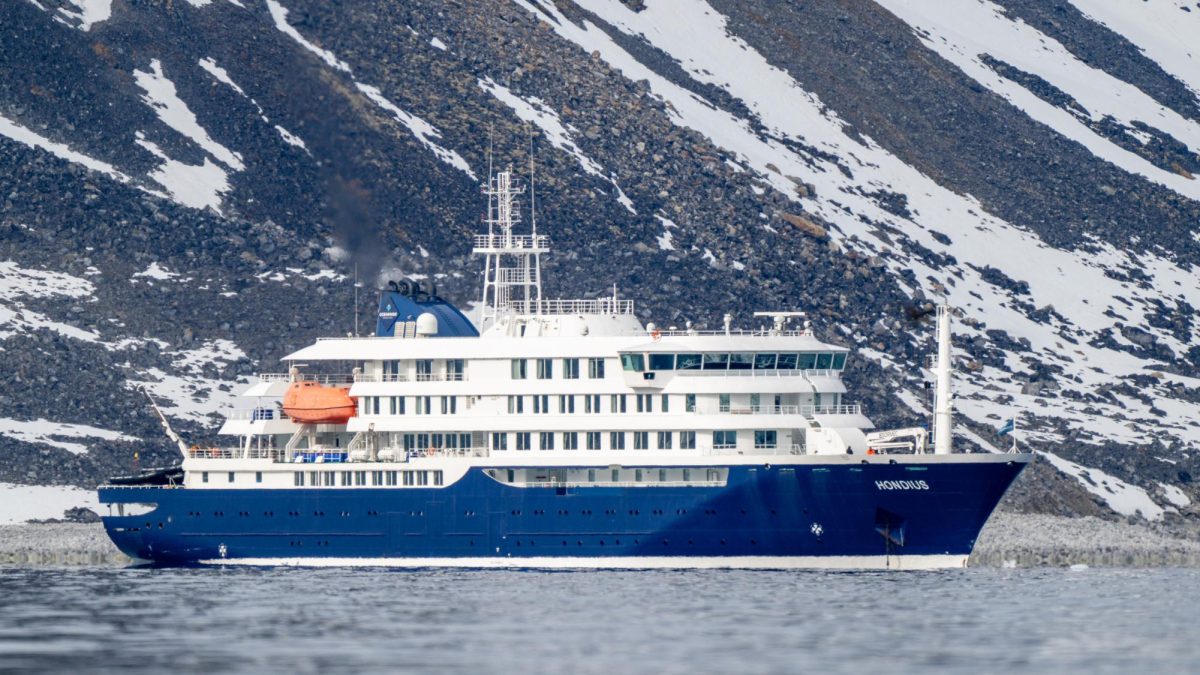
In April, an outbreak of hantavirus was identified on a Dutch cruise ship, MV Hondius, by the World Health Organization (WHO). Almost 150 people, including passengers and crew, were on the cruise ship when it set sail from Argentina on April 1st, 2026. All the passengers have been evacuated from the cruise, but 27 crew members remain as the cruise transfers to the Netherlands for quarantine. The key crew members left on the cruise are disinfecting the ship for its arrival in the Netherlands in order to not get anyone else exposed. There are currently 11 confirmed cases of hantavirus from the cruise, and 3 of them have already died from the disease.
Hantavirus normally spreads to humans through infected rats when their urine, saliva, or poop stirs within the air and is unknowingly inhaled by people. This specific strain, known as the Andean strain, can be spread to people who are in close proximity to another for a long period of time. There are more than 21 species of hantavirus, but the Andes strain is the only one that can be transmitted between person to person. Studies have suggested that the Andes strain can have a mortality rate of up to 50%. For comparison, Covid 19 had about a 1% to 3% mortality rate, although the number varies on factors such as age, other health conditions, vaccination status, etc. The symptoms, which can appear anywhere between 1-8 weeks after being exposed, include high fever, headaches, backaches, diarrhea, vomiting, violent cough, shortness of breath, and more. In severe cases of hantavirus, it can cause build-up in the lungs, respiratory failure, shock, kidney failure, and death.
Luckily, health officials say the risk of a global crisis is very low. Consoon CB said, “Most routine tourism activities carry little to no risk of exposure to rodents or their excreta.” 18 US passengers who got off the cruise on May 10th are being monitored after being potentially exposed. On the other hand, 16 of them went to the University of Nebraska Medical Center, while 15 of them are in quarantine and one of them is in the center’s biocontainment unit. Jake Rosmarin, one of the patients in the University of Nebraska Medical Center, said, “I’m happy to be in a place where I know we are well cared for and if anything happens, we have the medical attention we need.” He noted that he has no symptoms and has not tested positive for now, but it is possible that they will appear later. The last 2 passengers were taken to Emory University in Atlanta to preserve space in the Nebraska center. 1 of them is in a biocontainment unit and the other in quarantine. These people are in the biocontainment units “out of an abundance of caution,” stated the Department of Health and Human Services.
2 New Jersey residents have been potentially exposed by someone on the cruise with hantavirus. This was revealed in a press release on Friday, May 8th by the New Jersey Department Of Health (NJDOH). “The risk to the general public in New Jersey remains very low. No current hantavirus cases have been identified in the state, and there is no history of a confirmed hantavirus case reported in New Jersey,” said the NJDOH in the press release. The NJDOH did not say where the potentially exposed NJ residents are, to keep “patient privacy.” Princeton University Health Services also spoke on the matter, saying that the risk to the college campus and its community is very low. “UHS is not recommending any special precautions, restrictions, or changes to campus activities at this time,” wrote the spokesperson of the University Jennifer Morrill in a statement to the Daily Princetonian. He added, “Students should continue to follow standard health and safety practices and report potential evidence of rodent activity to Facilities.”
The NJDOH is working with local health departments to monitor all people who could have had any potential contact with people exposed to those who left the MV Hondius. The 2 residents were not on the cruise themselves, but could be exposed when on an aircraft with an infected person. Neither of them have shown any symptoms so far. “[Human to human] transmission is rare and generally requires close, prolonged contact with an infected individual or their bodily fluids. The incubation period ranges from four to 42 days and asymptomatic persons are not considered infectious,” stated the NJDOH in their press release. Hantavirus has been stated by many health officials to have a very low risk of causing a global crisis so although citizens should be cautious, but there is not much to be alarmed about.