3/27/26
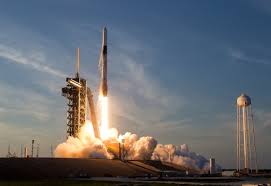
On March 17th, SpaceX launched Falcon 9, which took off from the Vandenberg Space Force Base. SpaceX now has more than 10,000 starlink satellites in low Earth orbit. This milestone has come less than seven years since the launch of its first batch of satellites, which occurred in May of 2019.
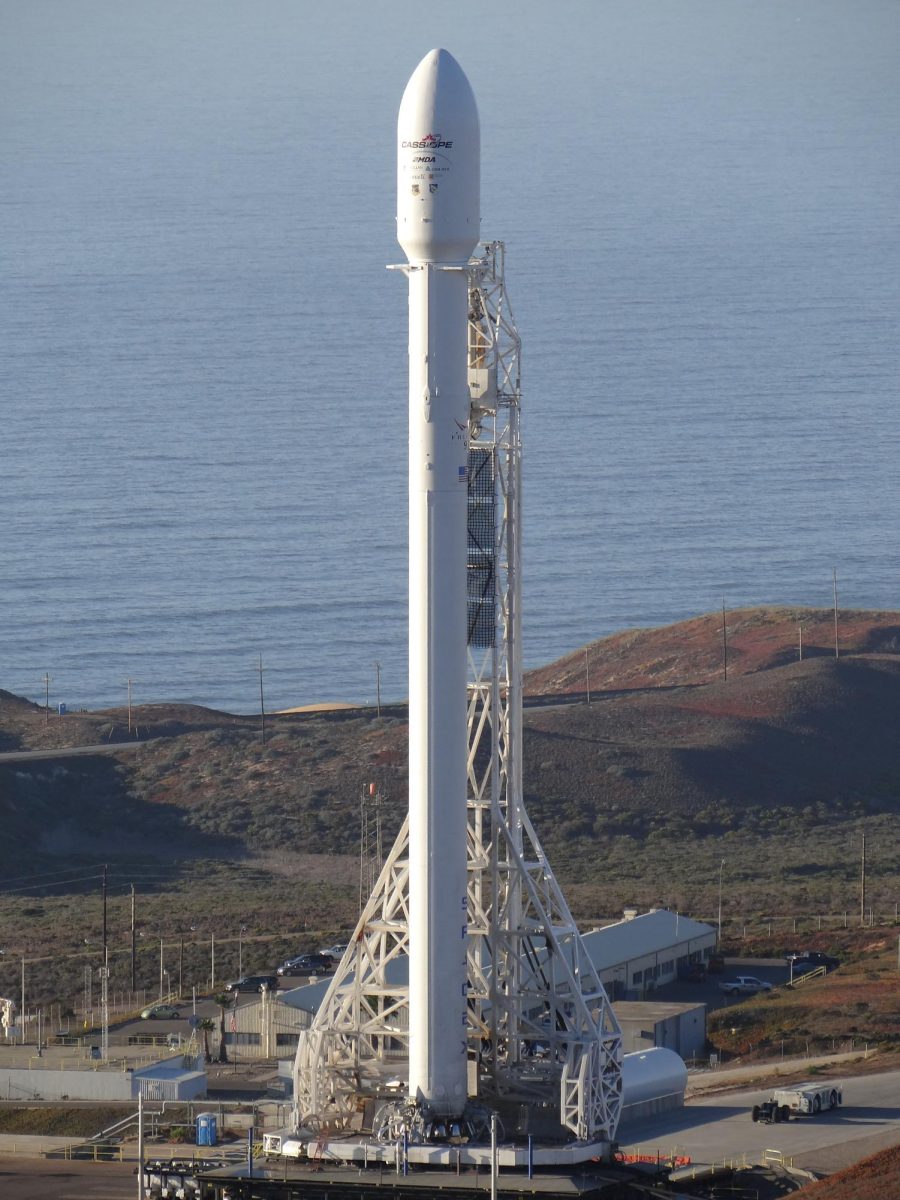
The mission’s liftoff happened around 10:19:09 p.m. PDT, which puts SpaceX over the 10,000-satellites threshold, improving the Starlink Group 17-24. The Falcon 9 rocket flew a southern path when leaving Space Launch Complex 4 East. So far, this is the 17th orbital launch from Vandenberg Space Force Base this year. SpaceX launched the mission with the use of the Falcon 9 first stage booster with the tail number of 1088.
The purpose of the mission is to deploy a new batch of starlink satellites into low-Earth orbit. The twenty-five starlink satellites were deployed an hour after the mission’s liftoff. The launch of the Falcon 9 was to focus on building its starlink satellite. The abundance of SpaceX’s Starlink Constellation puts it within a league of its own. SpaceX has been averaging a launch every 2.3 days in 2026 and twenty-six out of its thirty-three were Falcon 9 rocket launches sending starlink satellites into orbit.
Back on February 13th, 2026, a SpaceX spokesperson said, “Its Starlink service had more than 10 million active customers across 160 countries, territories, and many other markets.” Furthermore, expert orbital tracker and x-ray astronomer Dr. Jonathan McDowell said, “The number of avoidance maneuvers a year that the system is making to avoid running into itself is just so far beyond what anyone was doing in the 2010s much less earlier.” He also added, “I think whatever your feelings are about SpaceX or the people involved with it, it’s a remarkable technical achievement.”
The Director of Research for quality space, Caleb Henry, has pointed out five essential things about how SpaceX was able to take over the satellite operators. He said, “Four of them are technological. One of them financial. Financial first. Starlink has been able to rise, or SpaceX has been able to raise significant sums of money. They easily raised more than other constellation ventures that wasn’t either internally funded, like Amazon, or government funded, like SDA or perhaps some Chinese constellations. So, having access to billions of dollars in capital really helped. The money along is not the solution. It’s not the reason that they were able to do this and others hadn’t by itself.”
In late January of this year, SpaceX publicly announced its very own Space Situational Awareness system, which is named Stargaze. This system will be using various star trackers onboard each satellite in order to help establish a map of objects within the low Earth orbit to advance the process of avoiding and identifying any possible collisions. This year, SpaceX is supposed to be launching a larger Starlink Version 3 satellites with the use of its massive Starship rocket. However, there is no public release date for when the first deployment is going to happen due to the Starlink Version 3 rocket still being tested for launching.